- Soch Vichaar
- Posts
- Air pollution surges diabetes risk: Study
Air pollution surges diabetes risk: Study

Mohak Mangal
November 3rd, 2023
What happened?
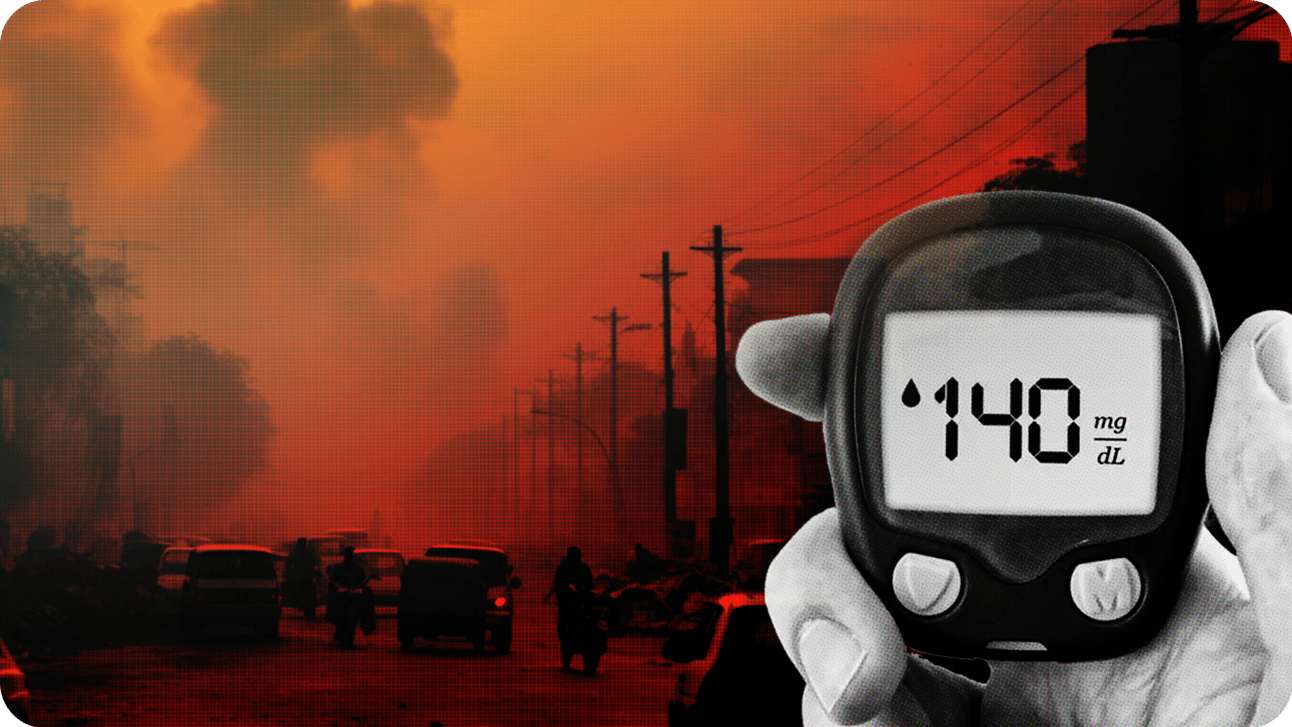
A recent study has found that prolonged exposure to PM 2.5 particles raised blood sugar levels and increased diabetes risk by 22%. These particles, about 30 times thinner than hair, are released from vehicles, industrial activities, and the burning of fossil fuels. Published in the British Medical Journal, this study was conducted in Delhi and Chennai between 2010 and 2017.
These findings become crucial, given the air quality in Delhi NCR is now the worst among major cities worldwide. The Commission for Air Quality Management (CAQM) has warned that pollution levels in Delhi NCR could get worse due to unfavourable weather and stubble burning.
Several other cities in Haryana, Uttar Pradesh, Rajasthan and Maharashtra have reported poor air quality.
Why does it matter?
The findings are particularly alarming for India, as it is home to 39 out of the 50 most polluted cities worldwide, according to the World Air Quality report. In India, the air quality is much higher than what's considered safe by the WHO.
India is the "diabetes capital" of the world, with more than 101 million diabetics, according to the Indian Council of Medical Research (ICMR). Most worrying is the fact that the young are becoming increasingly vulnerable to the disease. This increase results from drastic lifestyle changes, dietary habits, and largely sedentary lives.
Breathing in unhealthy levels of PM 2.5 has already been linked to an increase in the risk of heart disease and asthma. The new study has found that PM 2.5 is a metabolic disruptor as it reduces insulin production and increases insulin resistance.
According to the Air Quality Life Index report, in Bangladesh, India, Nepal and Pakistan, residents are expected to lose about five years of life expectancy due to air pollution. The estimate for Delhi was worse, with life lost expected to be 11.9 years! Exposure to PM 2.5 could also increase the risk of pregnancy loss by 3% in South Asia, according to a Lancet study.
Geographically, the landlocked Indo-Gangetic plains have the highest pollution levels in India. This region lacks the dispersal that sea breeze brings to coastal areas. The problem is enhanced during the winters, as cool air does not flow easily to blow away the pollutants. Farmers of Punjab and Haryana burn their fields to clear crop residue before cultivating wheat and vegetables. And urban poor burn garbage or firewood to keep themselves warm.
What's next?
With the air quality in the 'severe' category in Delhi, CAQM has invoked Stage 3 of the Graded Response Action Plan. It is a set of emergency measures to reduce air pollution, like a ban on all non-essential construction and demolition activities. But this crisis needs more than just temporary solutions.
The implications of the research should act as a reminder to act against air pollution.
Dose of Positivity
Auto drivers challenging the 'rowdy and rash' image

Dinabandhu Nayak, an auto driver in Bhubaneswar, launched a ‘Smart City Online Auto Association’ to change people's perspective about auto drivers. It all began when he donated blood and shared it with his fellow drivers on their WhatsApp group. This motivated other auto drivers. Even during the COVID-19 period, they continued helping many in need.
Today, their autos serve as ambulances. These drivers take accident victims to the nearest hospital, which is remarkable as road accidents have reached an all-time high in India.
They're even providing free transportation for people with disabilities. Also, any lost items left in the autos are returned to the police station or the customer. The drivers have shared their contact details with hospitals and blood banks. Additionally, they collect surplus food from events to distribute among those in need.
Dinabandhu also worked on changing driver behaviour. He advised them not to drink and drive. If they find someone driving drunk, they're removed from the association.
Bonus Section
The power of using names

Our names form an essential part of our identity. According to Dale Carnegie, a person's name is the most delightful sound to them. It feels strange when someone calls you by the wrong name, right?
Remembering names is one of the easiest ways to gain goodwill; it signifies that you were paying attention. Moreover, it's not just about sounding pleasant – it's about connection. When you use someone's name, it creates a feeling of comfort and closeness. In different cultures, like in India, naming ceremonies or "naam karan" is valued. Names often reflect virtues parents hope their child will embody.
So, in college or at work, try using people's real names in conversations to make the atmosphere more respectful. It shows you value each other's identity.
NOTEWORTHY 📑
Your brain: From birth to death!
PM Modi and Sheikh Hasina inaugurate Agartala-Akhaura international rail link
Do you have the most common cognitive bias?
Final farewell: Mumbai's iconic kaali peeli taxis reach the end of the road
Kozhikode and Gwalior join UNESCO's creative cities list
SHARE THIS VICHAAR 🙌

If you enjoyed reading my newsletter, please consider sharing it with your loved ones.
Was this forwarded to you? Sign up here.
If you want to give us feedback, Click here.
Read our previous newsletters here
Reply