- Soch Vichaar
- Posts
- Game of Thrones in Maharashtra
Game of Thrones in Maharashtra

Mohak Mangal
July 5th, 2023
What happened?
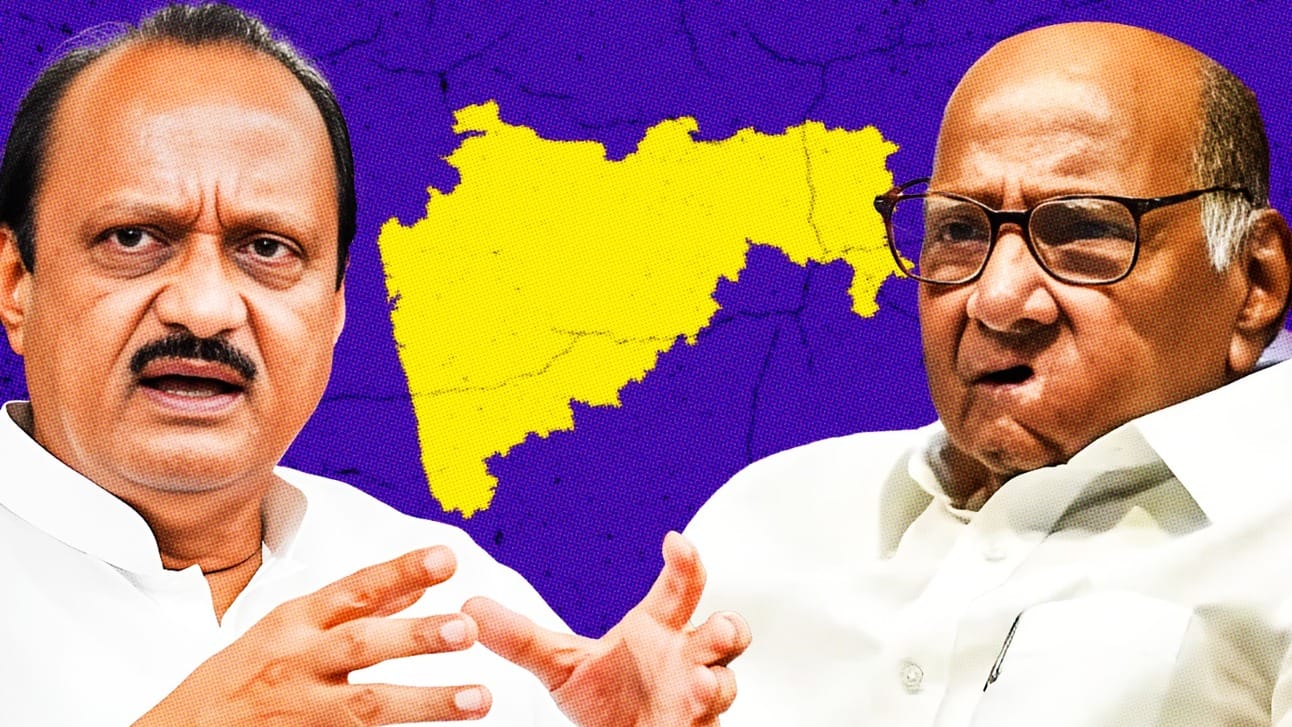
After leading a split in the Nationalist Congress Party (NCP), opposition leader Ajit Pawar joined hands with Shiv Sena (Shinde)-BJP government on July 2. He was sworn in as the Deputy Chief Minister and will share the post with BJP’s Devendra Fadnavis.
NCP chief and Ajit Pawar’s uncle, Sharad Pawar, rejected this move. However, reports suggest that Ajit Pawar has the backing of 36 of the NCP’s 53 MLAs.
Why does it matter?
In June 2022, the then Cabinet Minister Eknath Shinde rebelled against the Shiv Sena-led MVA (Maha Vikas Aghadi) alliance. With the support of a large faction of Shiva Sena legislators and BJP, Shinde eventually swore in as the state’s Chief Minister. Such rebellions and defections cause political instability. The power game shifts lawmakers’ focus from development and governance, jeopardising the welfare of citizens.
What are the arguments from both sides?
Side 1: BJP is wrong in causing the split:
Operation Lotus: Within one year, BJP carried out Operation Lotus–a strategy of engineering defections from other parties to consolidate power–twice in Maharashtra. It exploits the unrest within the regional parties to its political advantage. This is ethically wrong.
Using central agencies: BJP pressures lawmakers by using central agencies such as ED and CBI. The lawmakers surrender by defecting from their party and joining hands with the BJP or the alliance it's a part of. A company linked to Ajit Pawar was involved in a money laundering case investigated by the ED. However, in April, he was not named in the chargesheet filed by the ED.
Side 2: BJP is NOT wrong in causing the split:
Provision in Constitution: The Constitution protects defections and rebellion to a certain extent. Paragraph 4 of the Tenth Schedule, commonly known as the Anti-defection law, states that legislators can merge with another party if there’s an agreement of two-thirds of the defecting party’s total strength. Therefore, the BJP has not taken any extra-judicial path.
Incorporating dissent: Defection and rebellion put a check on a political party’s power to force their views on elected legislators on their ticket. If the legislators have no confidence in the party’s agenda they can join hands with another party. Using the support of such legislators, BJP would be able to work towards the public’s welfare with greater strength.
What’s next?
Maharashtra NCP chief Jayant Patil said the party has moved a disqualification petition against the nine ministers who took oath on Sunday. Ajit Pawar has sent a petition to the Election Commission, claiming the party symbol. The current situation in Maharashtra could have repercussions on the opposition parties’ intent to form a united front against the incumbent BJP in the 2024 Lok Sabha elections.
France Under Fire

What happened?
Riots erupted in various cities across France last week. Arson, looting, and clashes unfolded after a policeman shot dead Nahel, a teenager of Algerian descent, during a traffic stop in the Paris suburb of Nanterre on June 27. Launching a crackdown on the protests, France mobilised more than 40,000 police officers.
Why does it matter?
Various human rights organisations have raised concern over police brutality in France. Experts claim their approach is chaotic, aggressive, and brutal. The death of Nahel marked the third fatal shooting by the France police during traffic stops in 2023. The previous year had seen a record-breaking number of 13 similar shootings, three occurring in 2021 and two in 2020.
What are the arguments from both sides?
Side 1: The violent protests are justified:
Amplifying the message: Violent protests can attract significant media attention and create a sense of urgency around the issue. Therefore, by resorting to this method, the citizens of France are trying to draw attention to the underlying problems in the country’s law enforcement system.
France’s history: The violent measures the protesters took during the French Revolution in 1789 brought about the desired societal changes. Therefore, it’s not surprising that the protestors see violence as an effective means to resolving their concerns.
Side 2: The violent protests are NOT justified:
Chaotic tendency: President Emmanuel Macron said that the wave of violence and vandalism could not be justified in any way. He said that those carrying out violence seek to spread chaos. Violence is not a legitimate way of expressing one’s grievances and discontent.
Lack of sustainability: Violent protests are short-lived. They create more damage to public welfare than solving the problems. A long-term strategic approach involving negotiations and non-violent resistance is more effective in finding solutions to problems.
What’s next?
Riots appear to be calming after the city’s mayor held an anti-violence rally. The latest figures suggest that arrests have slowed down as well. Reports have emerged that the crisis could weaken President Emmanuel Macron's position. Many are concerned that the spate of violence will have a long-term effect on the country’s tourism sector.
Is the Manipur Crisis Improving?
What happened?
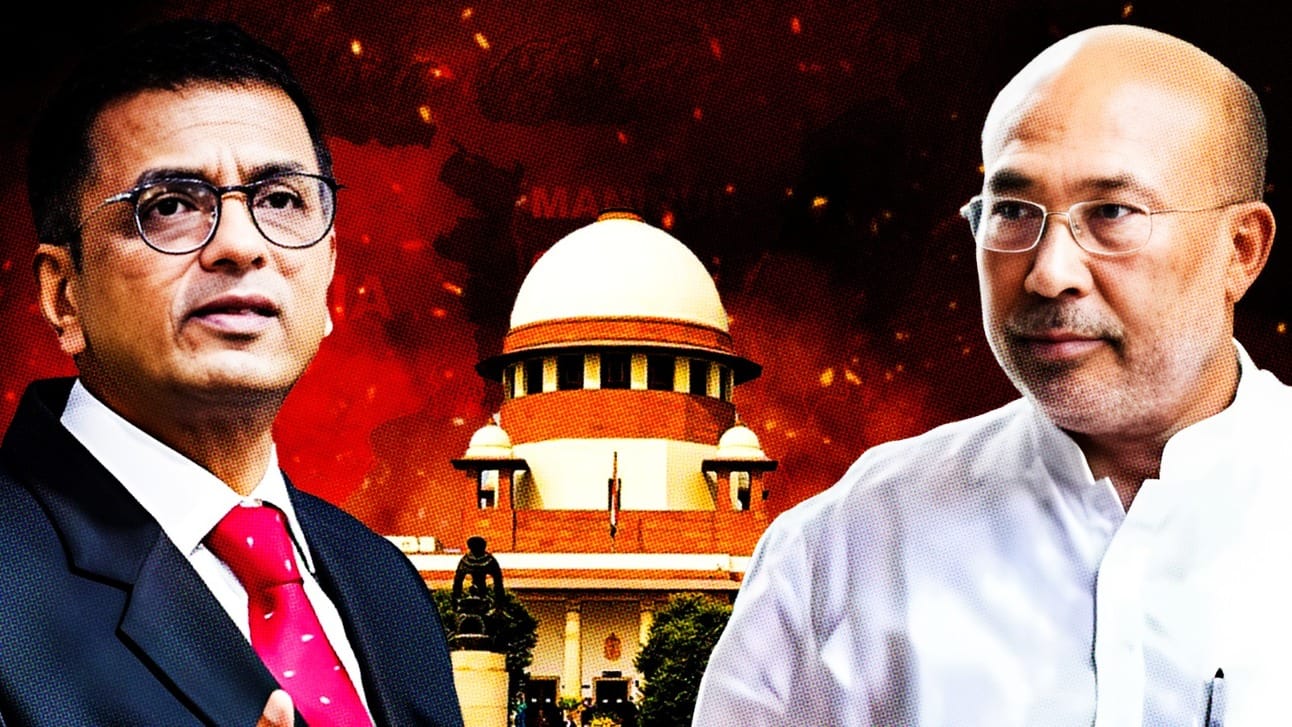
On July 3, the Manipur government affirmed in the Supreme Court that the situation in the state has been ‘slowly improving’. On July 2, Manipur reported four deaths. Reportedly, three villagers in Bishnupur were killed by the ‘miscreants’ suspected to have come from the hill areas. Consequently, many agitated people stormed the nearby Kuki villages, which resulted in another death.
Why does it matter?
Since May 3, when ethnic violence broke out between the Kuki and Meitei communities, the death toll in the state has risen to 138, and more than 60,000 individuals have been displaced (read our previous coverages on Manipur here and here). A retired lieutenant general equated the situation in Manipur with civil war-torn countries like Libya, Lebanon, Nigeria, and Syria.
What are the arguments from both sides?
Side 1: The situation has improved:
Government’s measures: The state and central government have deployed sizeable security and defence forces since the violence began. This includes the civil police, reserve battalions, Manipur Rifles, commandos, 114 companies of CAPF and 184 columns of the Army. Moreover, the government and the Home Ministry have been actively trying to facilitate dialogue between the stakeholders.
Relaxation of Curfew: From July 3, curfew will be relaxed in Imphal West District. This will help the general public to purchase essential items, including medicines and food items, from 05:00 A.M. to 06:00 P.M.
Withdrawal of Road Blockades: On July 2, two Kuki organisations, the United Peoples' Front (UPF) and Kuki National Organisation (KNO), released a joint statement announcing the withdrawal of roadblocks in Manipur’s Kangpokpi district. This move came after an appeal by HM Amit Shah.
Side 2: The situation has NOT improved:
Violence continues: The recent incident of violence shows that the situation in Manipur remains tense despite the security forces' heavy presence. One of the victims’ heads was allegedly severed and put on display.
Trade and commerce: Despite the two Kuki organisations announcing the withdrawal of road blockades, Kuki civil society group Committee on Tribal Unity (COTU) hasn’t withdrawn its agitation yet. Some sections of the NH-2 continue to remain blocked. Road blockades and restrictions of movement have damaged the state’s economy.
Normalcy remains far-fetched: The government and the Union Home Ministry have failed to steer things back to normal. Everyday life in the state remains at a standstill. The internet remains suspended in several areas. Classes haven’t resumed for class IX-XII.
What’s next?
The Supreme Court has decided to conduct the next hearing on the Manipur situation on 10 July.
The three-judge Bench headed by Chief Justice of India DY Chandrachud has ordered the Manipur government to file an updated status report detailing its rehabilitation efforts and law and order situation before the next hearing.
NOTEWORTHY📑
Jaisalmer’s Underground Library: an unusual location for a collection of over two lakh books.
Kannauj: the “Perfume City of India.”
How the cells in your body operate using the most complex language in the world.
SHARE THIS VICHAAR 🙌

If you enjoyed reading my newsletter, please consider sharing it with your loved ones.
Was this forwarded to you? Sign up here.
If you want to give us feedback, Click here.
Read our previous newsletters here
Reply