- Soch Vichaar
- Posts
- What is happening in Manipur?
What is happening in Manipur?

Mohak Mangal
July 21st, 2023
What happened?
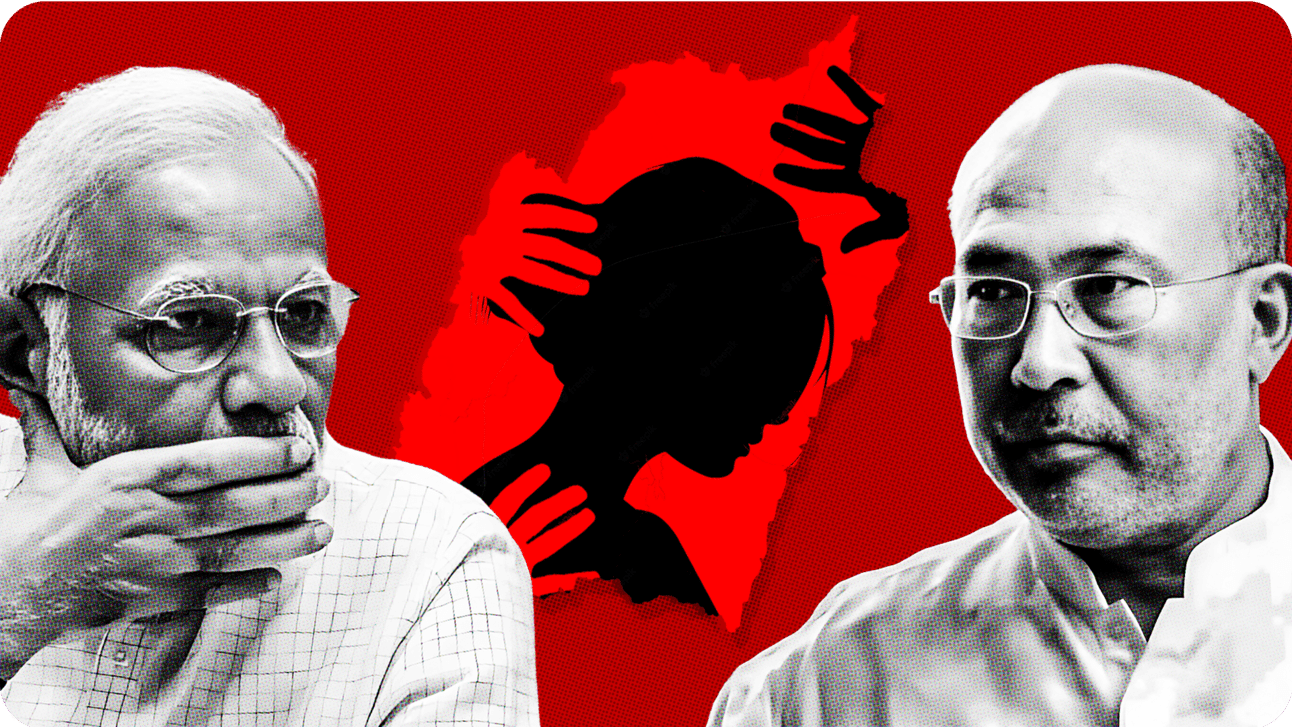
On 19 July, a video showing two women from the Kuki-Zomi community being paraded naked by a mob of men went viral. The incident took place on May 4 in Thoubal district of Manipur. An FIR was registered in the matter on May 18, alleging that one of the women was brutally gang raped. One of the victims said in an interview that the police were present when the mob forcibly took them away but didn’t do anything to protect her. Allegedly there was another woman besides the two seen in the video who was also forcibly paraded.
The video has sparked outrage in the nation. Political leaders across party lines have condemned the incident. On Thursday, PM Modi said that the incident has put the entire country in shame and assured that “the guilty will not be spared.”
Why does it matter?
The sexual atrocity is linked to the ongoing ethnic clashes between Meitei and Kuki communities in the state. The violence has left over 130 people dead and over 60,000 displaced. The incident in the video took place a day after violence first erupted in the state on May 3.
The victims even filed an FIR, yet the police and the state government failed to make any arrests. It was only after the video went viral that the authorities were prompted to take action. The video couldn’t garner much attention for two months due to the prolonged shutdown of the internet in the state.
Only after the video went viral, Prime Minister broke his ‘stoic silence’ regarding the situation in Manipur. It’s been nearly 80 days since the clashes began, and despite the presence of heavy troops and police forces, the violence continues. This raises serious doubts regarding the Centre and the state’s ability and intentions to curb the violence. It’s also alleged that police and government have been biased in handling the conflict. Several people have demanded that the President's rule be imposed in the state to control the situation.
What’s next?
The police arrested four culprits on Thursday. As many as 12 police teams are working to identify and arrest other culprits involved in the case.
The opposition is seeking to debate the issue of prolonged violence in Manipur during the ongoing monsoon session of Parliament. However, both houses were adjourned on Thursday and Friday amid an uproar by the opposition.
Reportedly, the Central government is looking to take action against Twitter over the viral video.
One more translocated cheetah dies
Who should be blamed for the deaths?
What happened?
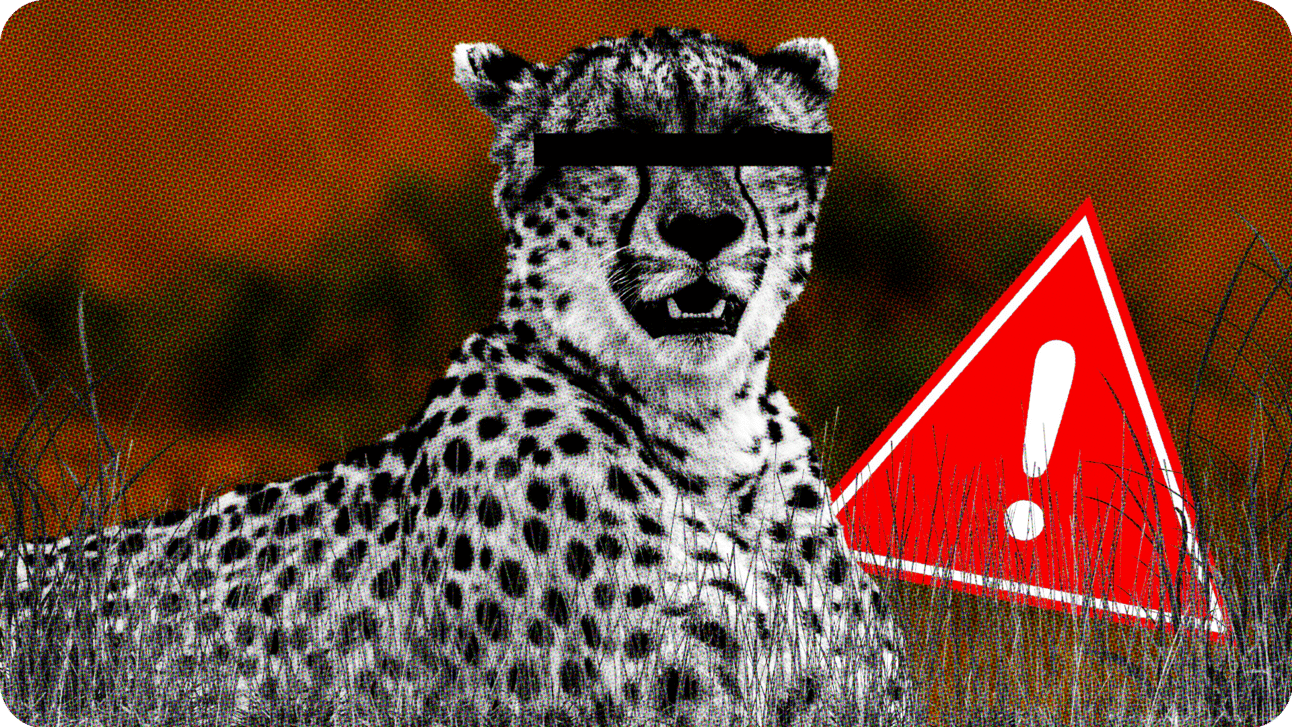
Last week, another cheetah brought to India from Namibia and South Africa died in Madhya Pradesh’s Kuno National Park. A cheetah named Tejas had died two days earlier. On July 20, while hearing a petition about cheetahs’ death, the Supreme Court noted that the deaths did not paint a good picture and were a matter of worry.
Why does it matter?
Following the extinction of cheetahs in India in 1952, the government reintroduced them in the country by translocating 20 animals in September last year. However, since March 2023, out of the 20 translocated cheetahs, 8 have died, including 3 cubs born in India. The deaths have raised eyebrows over the government and National Park authorities’ efforts to protect the cheetahs.
What are the arguments from both sides?
Side 1: The cheetahs died due to the authorities’ carelessness:
Radio collars: Several wildlife experts and veterinary doctors have argued that the radio collars around the cheetah’s neck have been responsible for the death of some cheetahs. The park’s authorities use the collars to track the movement of the animals. However, they cause injuries on the neck as the belt rubs with the skin. These injuries attract flies and maggots, causing a fatal infection.
Lack of medical attention: Reportedly, one of the cheetahs was found covered with thousands of maggots from head to toe. Vets have argued that it takes days for an animal to die of maggot infestation. During this entire time, the authorities failed to notice the infection and provide medical care. It clearly lacked the foresight to avoid yet another death.
Side 2: The cheetahs did NOT die due to the authorities’ carelessness:
Natural causes: The Centre has rejected the claims of the radio collars contributing to the cheetahs’ death by calling them ‘speculations’. It asserted that the cheetahs died of ‘natural causes’ such as cardiac failure, kidney ailments, and mating injuries.
Indian weather: Many have pointed out that extreme Indian weather is also responsible for the cheetahs’ death. India isn’t the natural home of the African cheetahs. They come from dry African regions. During the monsoon season in India, the damp weather causes the animal’s fur to absorb moisture and become itchy. While scratching, the skin could break and develop an infection.
What’s next?
The Supreme Court has suggested that the Centre relocate some cheetahs to Rajasthan, where they could have better facilities. Monitoring teams are alert and have been observing the animals closely for any symptoms so that immediate treatment can be provided in case of infections.
Quran-burning controversy
Was it right for the person to burn the holy book?
What happened?
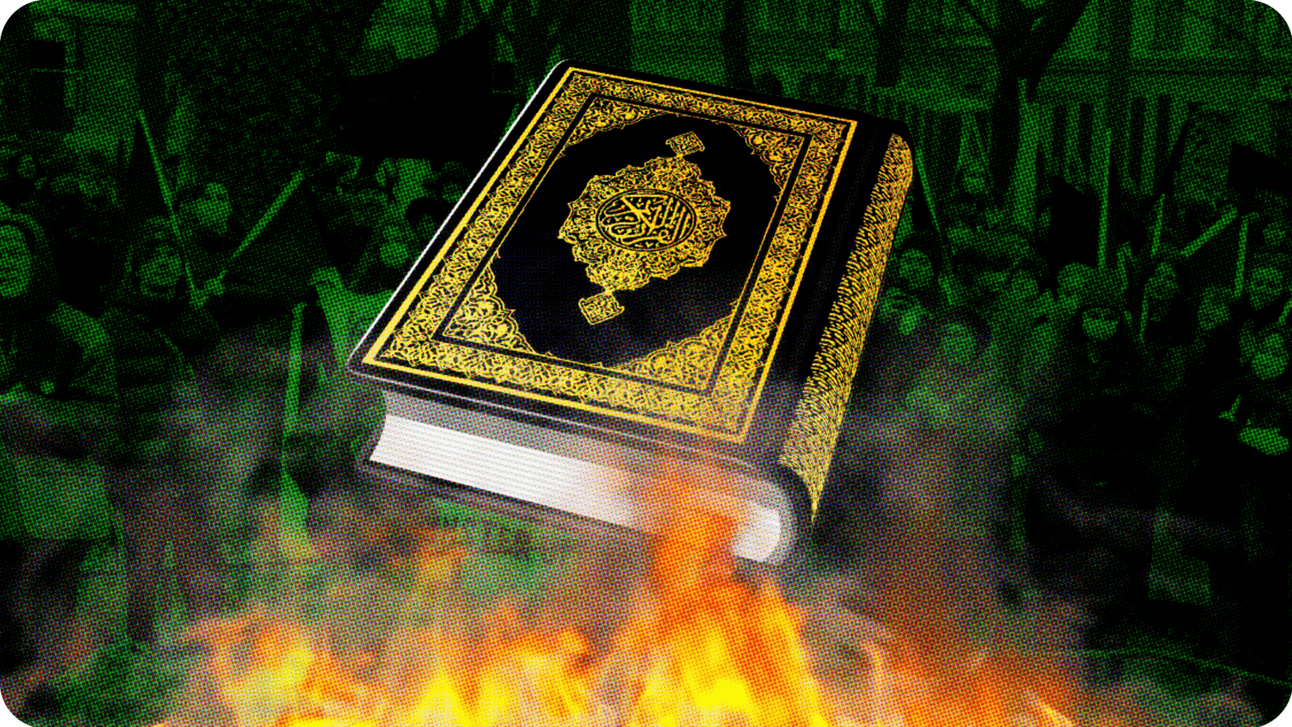
On July 20, hundreds of protesters stormed the Swedish Embassy in Baghdad, Iraq, and set fire inside the premises. This came as a part of a series of events that unravelled after the burning of the Quran outside the Stockholm Central Mosque, Sweden, on June 28.
Iraq’s foreign ministry condemned the embassy attack and said that investigations were underway to identify the perpetrators and hold them legally accountable. But at the same time, the government expelled the Swedish ambassador and recalled Iraq’s diplomatic mission from Sweden.
Why does it matter?
On June 28, the Swedish police permitted Salwan Momika, an Iraqi refugee, to burn the Quran outside the Stockholm Central Mosque ahead of Eid al-Adha, one of the holiest days in Islam. The incident sparked outrage in Muslim-majority countries, with many condemning Sweden for allowing such a blasphemous incident to take place. On the other hand, Western countries have stood up for the person's rights.
What are the arguments from both sides?
Side 1: The person did nothing wrong in burning the Quran:
Freedom of expression: Before the incident, Momika had sought permission from the police to burn the Quran in front of the Iraqi Embassy. However, the police rejected his pleas. The Swedish court then ruled that banning the demonstration would violate Momika’s right to freedom of speech and expression.
Criticising the religion: Momika claimed he wanted to criticise Islam and express his opinion on the Quran by burning it. The criticism might be controversial or sound offensive to others, but that doesn’t mean the person stops practising his freedom of speech and expression.
Side 2: The person was wrong in burning the Quran:
Islamophobia: The country’s hate speech law prohibits incitement against groups of people based on race, ethnicity, religion, etc. Many have argued that the act should be considered hate speech as Momika was clearly trying to incite people. His action was a demonstration of hatred towards Muslims in Western countries. The incident would further divide the people, compromising peace and cohesion between religious communities.
Respecting others’ sentiments: Momika opted for an extreme measure to express his opinions. He burned the holy book outside a mosque when people were observing the Eid al-Adha holiday, one of Islam's holiest days. He could’ve criticised the Quran and Islam in different ways as well. But going to such an extreme height was outrageous.
What’s next?
On July 20, the Iraqi government issued a statement saying that the country would sever diplomatic ties with Sweden if another Quran-burning incident occurred. Observers suggest that European countries might take action against Iraq for expelling the Swedish ambassador and failing to protect the Embassy.
The Quran-burning incident has soured ties between Sweden and Turkey. Sweden applied to join NATO after the Russian invasion of Ukraine. Turkey, already a NATO member, might hold Sweden’s application due to the recent development.
Un-mapped
India’s biggest achievement in the 21st-century


On July 11, United Nations Development Programme (UNDP) published 2023’s Global Multidimensional Poverty Index (MPI) report. It highlighted that in the past 15 years (2005/2006 to 2019/2021), India has lifted 41.5 crore people out of poverty.
MPI takes into account well-being aspects beyond purely monetary factors. It offers a more comprehensive view of poverty by measuring a household’s performance in three dimensions–monetary poverty, education, and basic infrastructure services.
The latest report highlighted that all indicators of deprivation decreased in India, with the most rapid progress observed among the poorest states and groups, including children and people belonging to disadvantaged caste groups.
Here’re some interesting statistics:

Before you go
Want to know what’s causing the violence in Manipur? Check out my video:
NOTEWORTHY 📑
Watched Oppenheimer yet? Take a look at this wonderfully crafted simulation of a nuclear blast.
Narayan Oraon: A man who created the script for an Adivasi language.
Would we really be able to hear colours someday in the future?
Madhya Pradesh’s musical folk theatre—Maach
When Charlie Chaplin and Nehru cheated death in Switzerland.
SHARE THIS VICHAAR 🙌

If you enjoyed reading my newsletter, please do consider sharing it with your loved ones.
Was this forwarded to you? Sign up here.
If you want to give us feedback, Click here.
Read our previous newsletters here
Reply