- Soch Vichaar
- Posts
- How is Manipur’s crisis affecting Mizoram?
How is Manipur’s crisis affecting Mizoram?

Mohak Mangal
July 25th, 2023
What happened?
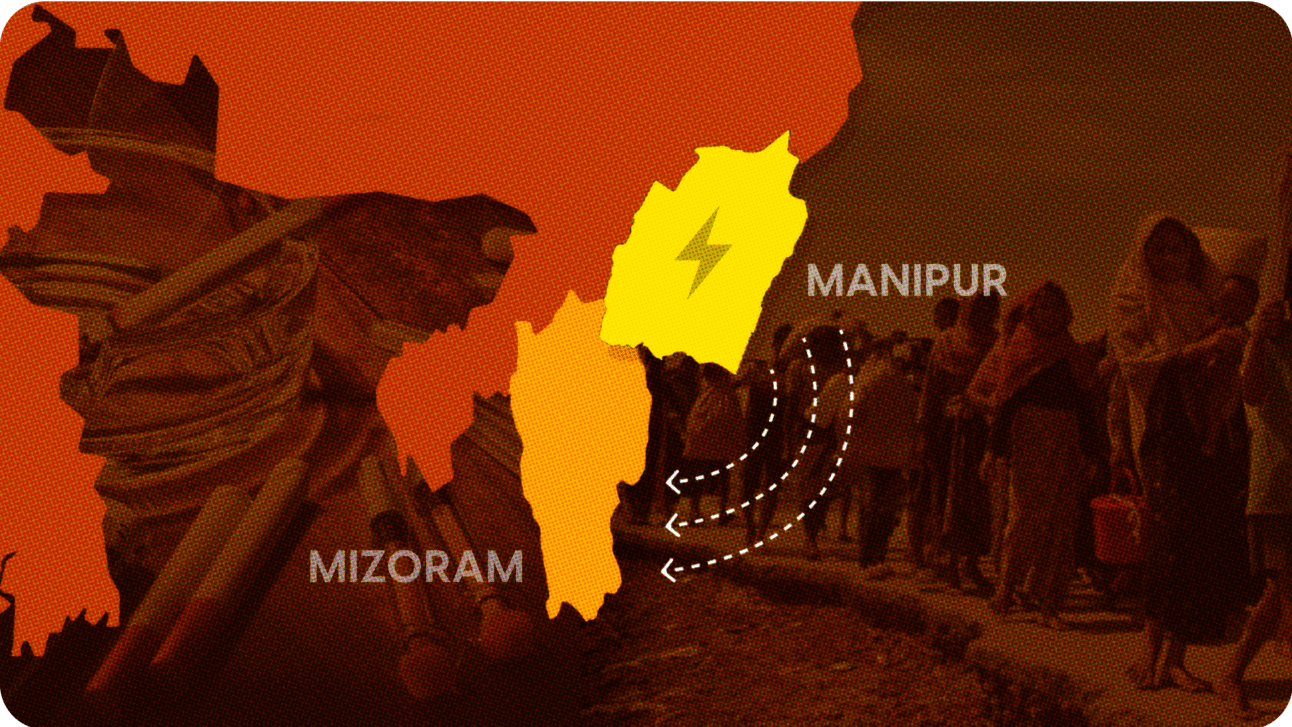
After the horrifying video from Manipur came to light, on July 21, PAMRA (Peace Accord MNF Returnees' Association), an organisation of former extremists, asked the people from the Meitei community living in Mizoram to leave the state ‘for their own safety.’ This triggered an exodus of Meiteis from Mizoram- about 60 of whom took a flight to Imphal, and an unspecified number left for Manipur in buses and taxis.
How is Mizoram bearing the brunt?
Refugees
Since the ethnic clashes began in Manipur, more than 12,000 displaced Kukis have taken shelter in Mizoram, increasing the refugee burden on the state. The state has also witnessed a massive influx of refugees from Myanmar and Bangladesh in the past few years. Reportedly, there are more than 50,000 refugees in Mizoram. Consequently, the state is currently facing a major resource crunch. In May, Mizoram’s Chief Minister Zoramthanga wrote two letters to PM Modi seeking financial support for the displaced people from Manipur. The Centre hasn’t taken any measures regarding this yet.
Political sentiments
The ongoing crisis in Manipur and the Centre’s failure to control it has resurfaced the demand for Greater Mizoram. The Mizos, who share a strong ethnic bond with the Kukis, have put forward this demand. It aims to unify areas of Manipur, Assam, and Tripura with Mizoram to create an autonomous state. Mizoram’s Chief Minister Zoramthanga recently expressed his support for the demand. This sentiment by the ruling MNF (Mizo National Front) will significantly affect the upcoming assembly elections in the state.
Drug trafficking
The clashes have also led to a spike in drug trafficking in Mizoram. Reportedly, nearly 10 kgs of heroin was seized in the state within 50 days since the violence began in Manipur. For context, 35 kgs of heroin was seized from Mizoram in the entire year of 2021. Most of this drug comes from Myanmar. The traffickers use certain routes in Manipur and Mizoram to smuggle the drug into India. Due to the ongoing violence, the traffickers have been avoiding routes in Manipur and conducting their illegal trade through channels in Mizoram.
What’s next?
The Mizoram government has reassured the Meitei community of their safety and tightened security. On the other hand, the Manipur government has announced plans to airlift Meiteis from Mizoram. The exact date of evacuation hasn’t been announced yet.
Why did India ban rice export?
What happened?
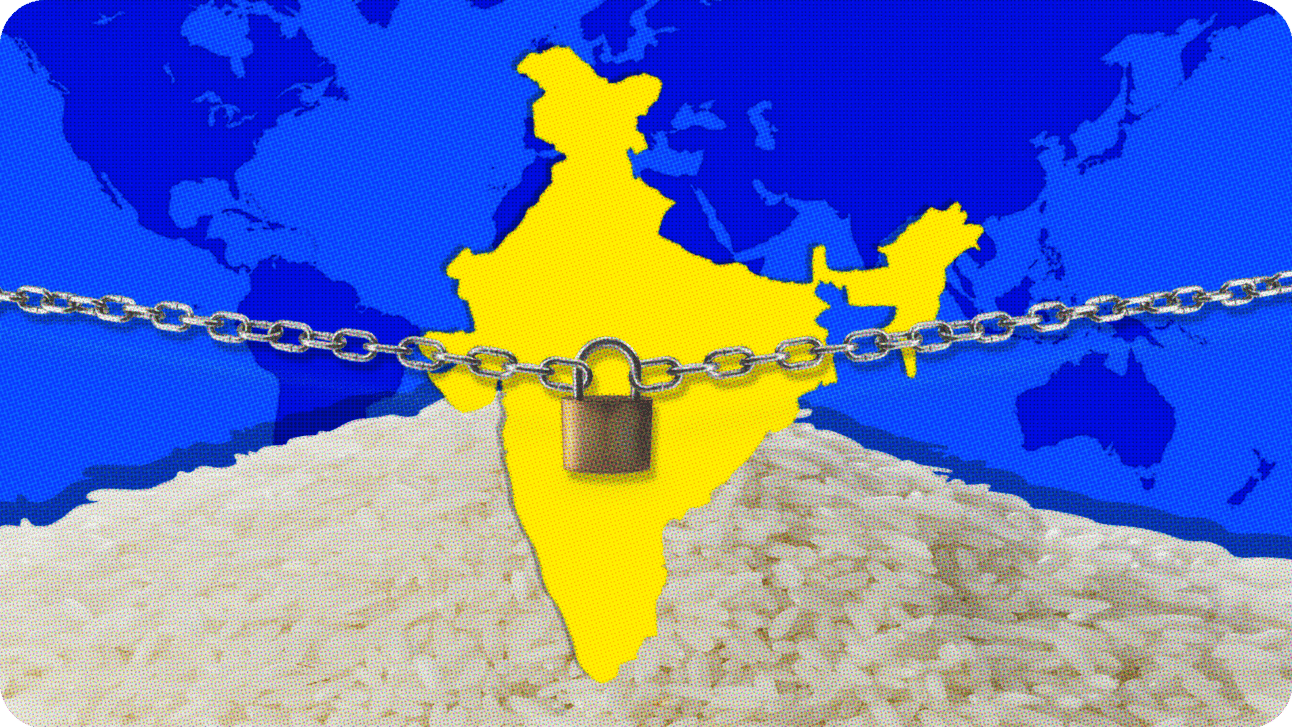
On July 20, the Indian government announced a ban on the export of non-basmati white rice. The news triggered panic buying among the Indian diaspora and other Asian communities in the US. Many stores had to impose a sales limit as customers began buying rice bags in bulk.
Why the ban?
Inflation
India is the world’s biggest exporter of rice. It accounts for 40% of the global rice exports. In September 2022, the Centre imposed an export duty of 20% on non-basmati rice to curb foreign demand and ensure the commodity’s availability in the Indian market. However, the decision failed to achieve its objective. In fact, the export of rice actually soared by 25% despite the imposition of export duty.
The increased exports have disrupted the supply in the domestic market, with the price of rice rising by 11.5% over a year and 3% over the past month. Therefore, the government had to ban the export.
Monsoon
Heavy rains in the northern parts of India for the past few weeks have damaged the newly planted rice crops in Punjab and Haryana. Moreover, in other major rice-growing states, such as Andhra Pradesh, Chhattisgarh, and Bihar, the farmers cannot plant the crop due to inadequate rainfall. This uneven rainfall distribution is likely to contribute to a production crunch in rice, soaring the prices even more.
Elections
A few weeks ago, prices of tomatoes crossed Rs. 100/kg in various parts of India. Apart from rice, prices of wheat, toor dal, and onions have also soared in the past two months. The rising inflation in the prices of essential commodities has put pressure on the BJP-led Central government. Many have argued that with the decision, the government aims to win public support for the upcoming parliamentary and state elections.
What’s ahead?
The government’s decision came a few days after Russia decided to terminate a grain deal that allowed the export of Ukrainian grain to the rest of the world. Experts fear that both these decisions will lead to inflation of food prices across the world.
Dose of positivity
Acts of Goodwill in Manipur
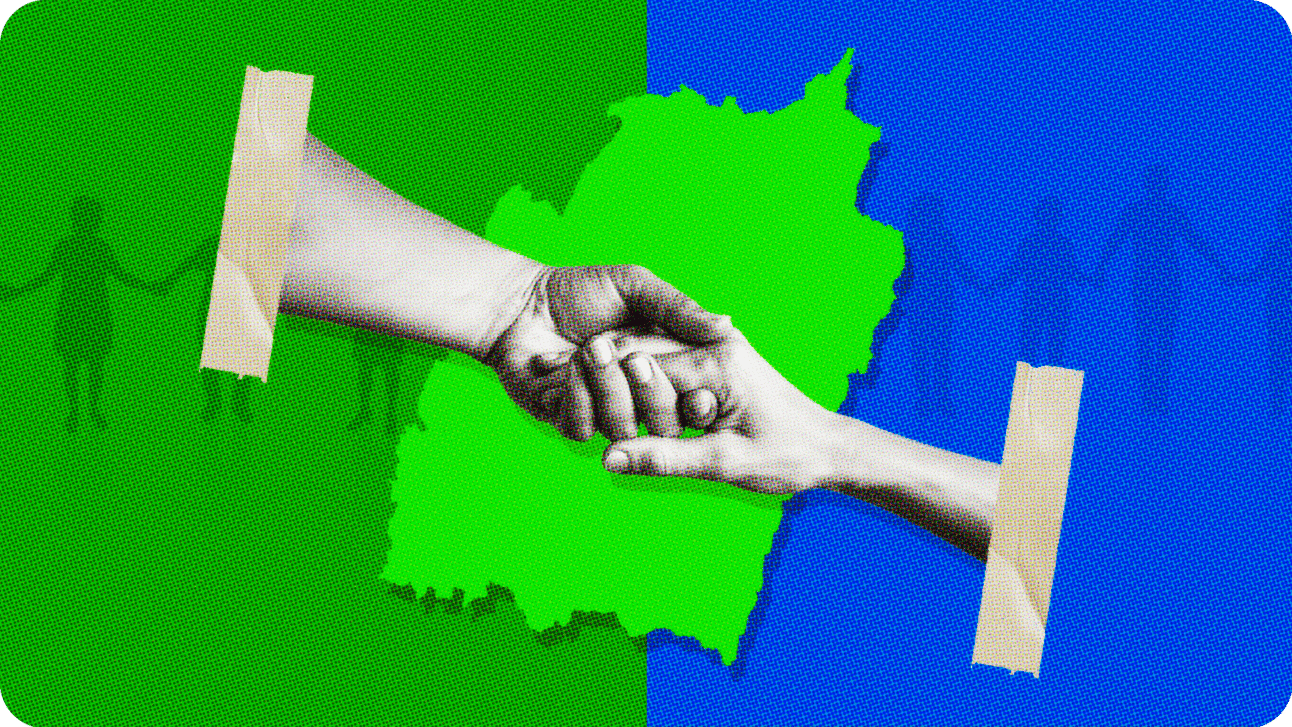
Ever since violence broke out in Manipur on May 3 between the Meitei and Kuku communities, numerous horrifying stories have emerged. However, even in the midst of such horror, there have been some heartwarming incidents as well.
When the violence engulfed the Churachandpur district in May, and the mobs began to burn down houses in the Meitei village of Khuga Tampak, Abujam Premita, a widowed Meitei woman, escaped the village with her two daughters and mother-in-law. She joined a group of people from her locality who were searching for a safer place. Luckily, a Kuku-Chin family living near the village asked the group to spend the night at their residence.
The group of 30 people hid in the house. The family served them food and water. In the morning, they were taken to a relief camp by the army and police. While recounting the incident, Premita said that she would never forget the generosity of the Kuki-Chin family.
In another act of goodwill, a school principal in Imphal, a Meitei-dominated city, saved the lives of 90 students from both Kuki and Meitei communities who were stranded in her school. When violence broke out, she hid the children in the hills and guarded them with a sword in her hand. Later, she notified the army, who rescued the students and facilitated their reunion with their parents.
NOTEWORTHY 📑
How politics has influenced map-making over the years.
Who was Annapurna, the Hindu goddess of food?
What happened when Nehru offered Indian citizenship to Oppenheimer?
Can Electric Vehicles (EVs) in India really be called ‘green’?
Meet Charubala Kalindi—a 65-year-old nachni from West Bengal.
SHARE THIS VICHAAR 🙌

If you enjoyed reading my newsletter, please consider sharing it with your loved ones.
Was this forwarded to you? Sign up here.
If you want to give us feedback, Click here.
Read our previous newsletters here
Reply