- Soch Vichaar
- Posts
- No-confidence motion against Modi?
No-confidence motion against Modi?

Mohak Mangal
July 28th, 2023
Should the government be worried?
What happened?
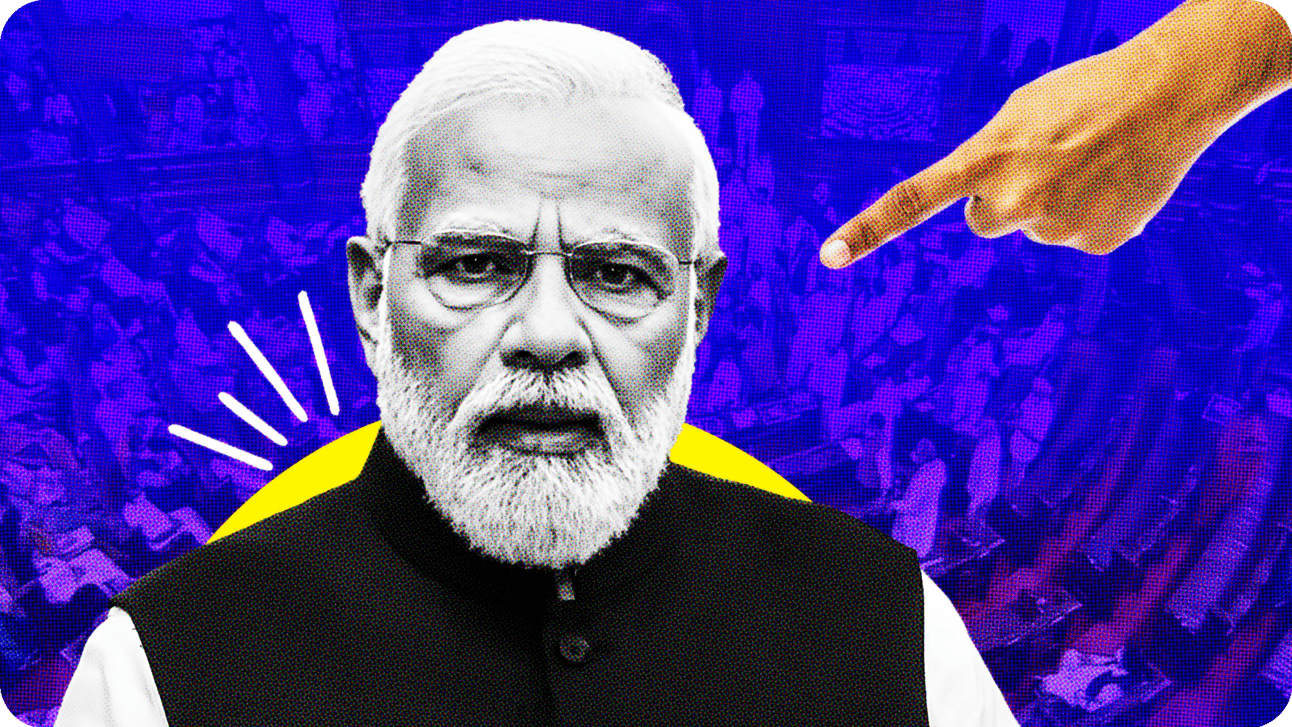
On July 26, the deputy leader of the Congress in the Lok Sabha, Gaurav Gogoi, moved a no-confidence motion against the Modi government. It is supported by the INDIA (Indian National Developmental, Inclusive Alliance) coalition of opposition parties. It aims to force PM Modi to appear in the Parliament and give a statement regarding the situation in Manipur. Lok Sabha Speaker Om Birla accepted the motion on the same day. However, he is yet to declare the schedule for the discussion on the motion.
What is a no-confidence motion?
Thus, a no-confidence motion allows the opposition to challenge the government's ability to govern. It’s worth noting that a no-confidence motion can only be moved in Lok Sabha.
Should the government be worried?
For the motion to be passed, the opposition must have at least 272 votes, the majority mark in the Lok Sabha. Currently, the NDA government holds a significant majority in the Lok Sabha with 331 members, of which 303 belong to the BJP alone. The recently formed INDIA alliance only has 144 MPs. This means that even if all non-NDA parties unite, the BJP will still survive the no-confidence vote.
Therefore, the Modi government has no reason to worry about the no-confidence motion. The opposition is aware of this and has moved the motion as a last resort to force PM Modi to give a statement regarding the Manipur situation, which it has been pressing for ever since the monsoon session of the Parliament began.
What’s next?
The monsoon session of the Parliament is scheduled to end on August 11. The speaker has yet to announce the date for discussion. As mentioned earlier, the speaker must schedule a discussion within 10 days of acceptance of the motion. During the discussion, the PM and Council of Ministers will have to answer questions put forward by the opposition.
Does Indian media favour the ruling government?
A new study reveals surprising statistics

What happened?
On July 27, the Centre for the Study of Developing Societies (CSDS), an autonomous social science research institute, published a report on trends and patterns in Indian media. It carried out an online survey of 206 journalists across television, print and digital media.
What did the study reveal?
Favouritism and freedom
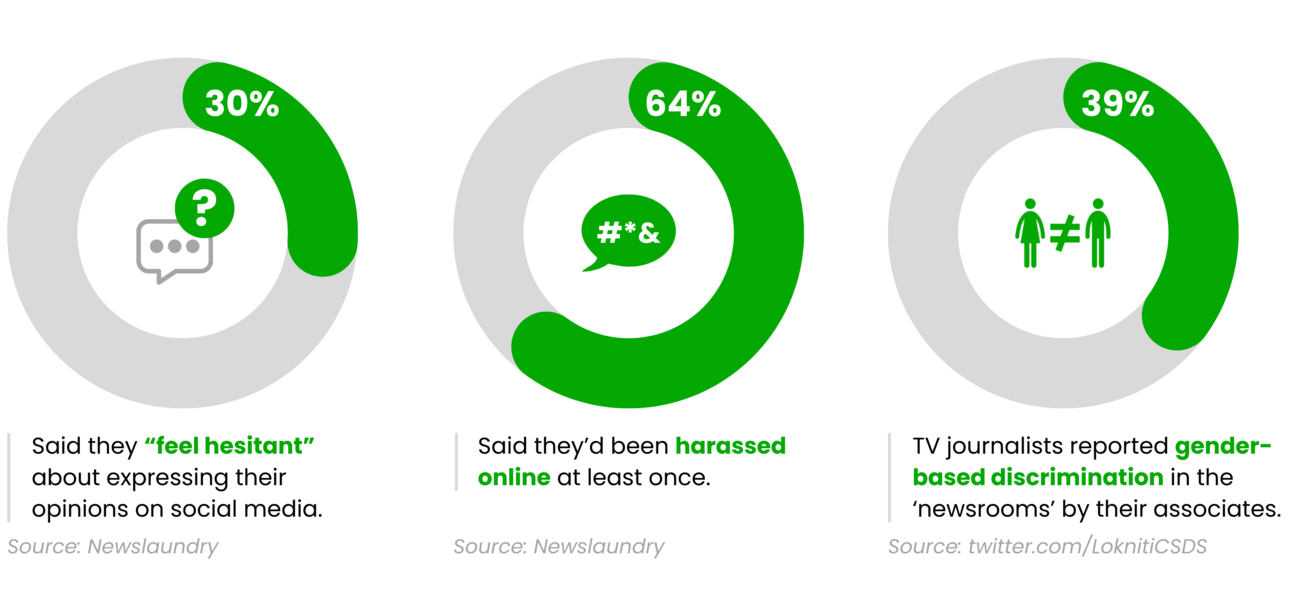
According to the study, 80% of journalists believed the media covers the BJP-led government too favourably, and 61% of journalists believe that the opposition parties are covered unfavourably.
16% of journalists said people in their organisations “were asked to quit the job due to political leanings”.
59% of journalists feel that the Indian news media has been unfavourably targeting the Muslim community.
Here are other note-worthy stats:
Girls and boys shouldn’t sit together!
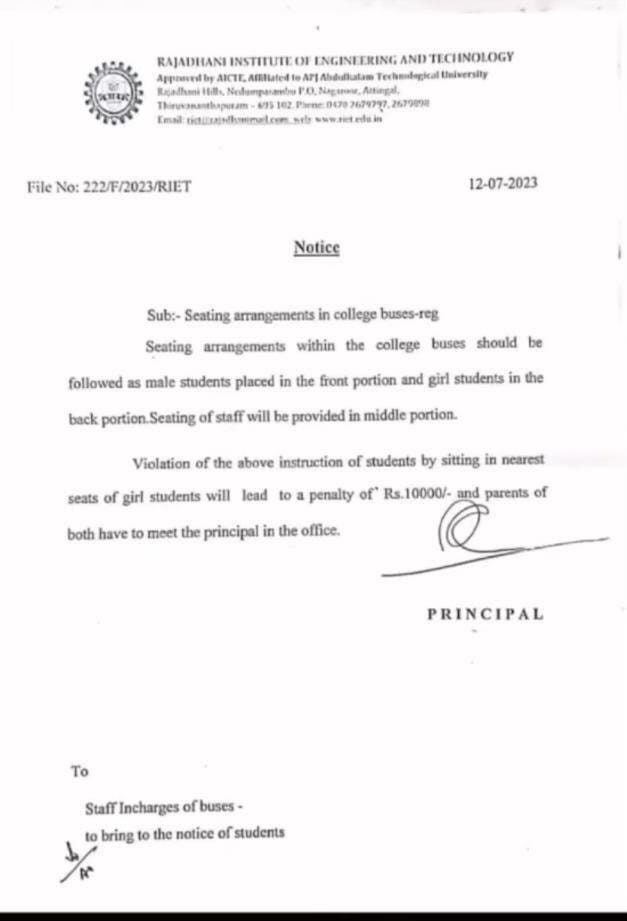
This circular was issued by the Rajadhani Institute of Engineering and Technology, Thiruvananthapuram, Kerala. It asked the boys and girls to sit separately in the college buses. It also directed the boys to sit in the front portion and the girls in the back, with the seats in the middle reserved for the staff. Moreover, a fine of Rs. 10,000 would be imposed on boys if they’re found sitting next to girls.
Gender-based segregation is still prevalent in the Indian education system. It has been found that such practices negatively affect the development of social skills in both boys and girls. The lack of communication also promotes sexism and strengthens prevalent gender stereotypes. In the long run, this can also affect an individual’s professional life and relationships.
NOTEWORTHY 📑
What do you need to succeed—luck or hard work?
An ancient Indian fitness exercise that brings together yoga, gymnastics and wrestling.
How this American woman began fast unto death to support Dalit’s rights.
This company in Pakistan recycles millions of jeans into new pairs.
Can AI be a good mental health therapist?
SHARE THIS VICHAAR 🙌

If you enjoyed reading my newsletter, please consider sharing it with your loved ones.
Was this forwarded to you? Sign up here.
If you want to give us feedback, Click here.
Read our previous newsletters here
Reply