- Soch Vichaar
- Posts
- One Nation, One Election: Good or Bad?
One Nation, One Election: Good or Bad?

Mohak Mangal
September 5th, 2023
What happened?
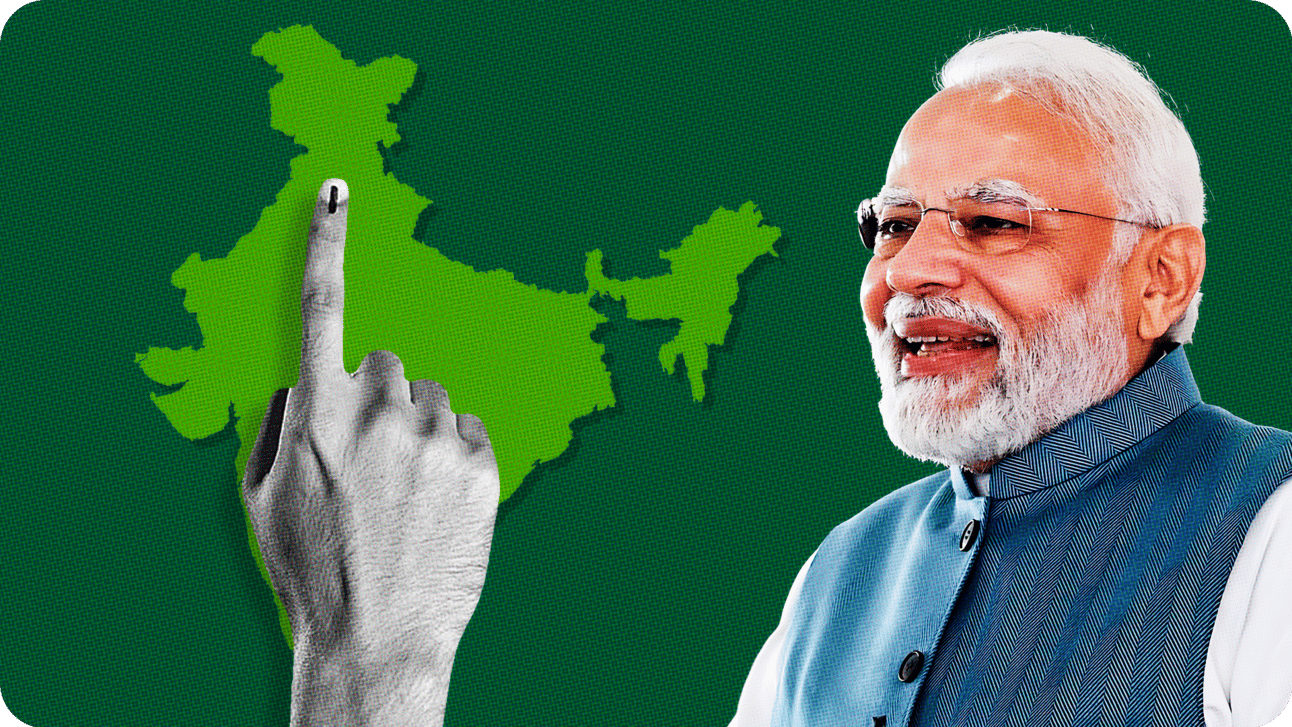
On September 2, the Central government formed a committee headed by ex-President Ram Nath Kovind to examine the possibility of holding simultaneous elections for Lok Sabha and state assemblies. On August 31, the Centre announced a five-day special session of Parliament without disclosing the agenda. This has kicked up a political storm.
Why does it matter?
The BJP has consistently advocated for simultaneous elections since 2014. The matter was also part of the party’s poll manifesto for the 2019 Lok Sabha elections. Now that the government has called for a special session and formed a committee on One Nation, One Election, the opposition parties and political observers have speculated that it will attempt to pass a bill.
What are the arguments from both sides?
Side 1: The BJP-led Centre government and the supporters:
Logistics: Elections are expensive and require great human resources. The country can save a lot of money by organising the elections for Lok Sabha and state assemblies simultaneously. According to the Election Commission of India, simultaneous elections would cost Rs 4,500 crore. On the other hand, the 2014 Lok Sabha elections alone cost Rs 3870 crores. For context, the 2015 Bihar assembly elections cost Rs 300 crore. It’s worth noting that these figures only include the official agencies' costs and not the expenses of political parties.
Efficiency of governance: The simultaneous elections also mean that the Central and state governments focus more on development and governance than politics and winning elections. It would also ensure that the regular administrative duties of government officials are not affected by elections as officials engage in polling duties.
Voter turnout: Simultaneous elections will ensure that the voters can vote for the Lok Sabha and their concerned state assemblies in a single day. Therefore, it will make voting easier and lead to higher voter turnout.
Side 2: The opposition and the critics:
Cost-saving gimmick: Though the cost of holding separate elections for the state assemblies is high, it pales compared to all the states combined budgets. Moreover, the Constitution needn’t be amended to help the political parties reduce spending.
Against the Constitution: The critics argue that simultaneous elections will go against the spirit of federalism of the Indian Constitution. The regional parties will be marginalised in comparison to the national parties. Moreover, the terms of the existing assemblies will need to be shortened or lengthened to bring their election dates with the due date for the rest of the country.
Local issues: If the elections are held simultaneously, the voters might vote for the national issues, even for the assembly elections. This will undervalue the local issues and disadvantage the regional parties contesting the polls with them.
What’s next?
The committee headed by Ram Nath Kovind has yet to give its recommendations.
The special five-day session of Parliament will be held between September 18 to September 22.
To implement the One Nation, One Election rule, at least five articles in the Constitution must be amended. The rule will require the consent of at least half of the state legislatures to be turned into a law.
Dose of Positivity
Students turn into teachers in Manipur’s relief camps
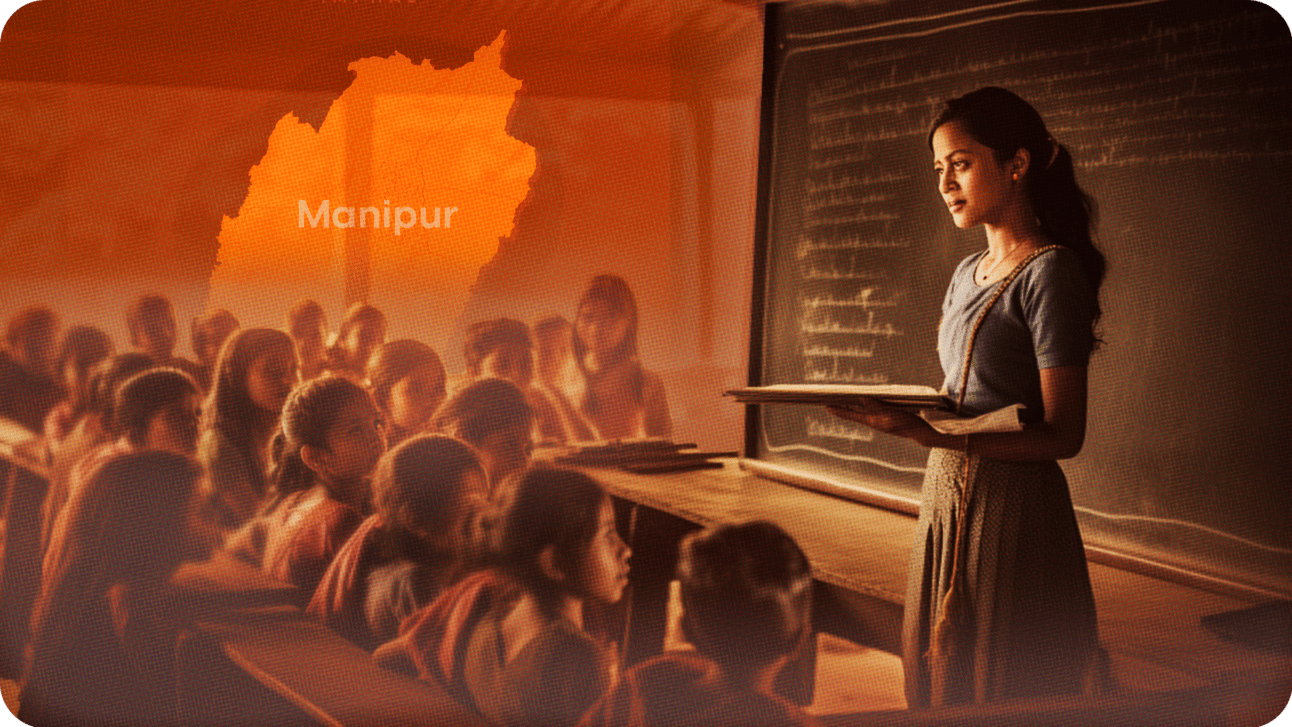
September 3rd marked the fourth month since the ethnic violence began in Manipur. Many have lost their lives in the clashes, and thousands have been displaced. Among the displaced people are over 14,000 schoolchildren, data released by the Ministry of Education claims.
In a positive development, a handful of college students have begun teaching the children confined in the relief camps due to the ongoing violence.
Eight volunteers have been teaching at the relief camps in the Bishnupur district, which house more than 400 children from pre-primary level to Class XII. Even though the schools officially reopened in the state in early July for Classes I to VIII, the parents remain hesitant to send their children back to school, fearing for their safety.
Volunteering college students want to ensure the children don’t lose an entire academic year while confined in the relief camps. In an interview with Times of India, they called for more college students to join this endeavour.
In a similar spirit, Ya.All, a youth-led LGBTI+ organisation, has offered free football training to the children in the relief camps. The organisation’s all-trans football team has trained more than 200 children in four locations to create positivity and offer momentary comfort to the children from the traumatic situation.
NOTEWORTHY 📑
China’s Xi Jinping to skip the G20 Delhi summit.
Sam Bankman-Fried: The man behind the $30 Billion cryptocurrency fraud.
How these festivals in Odisha and Assam celebrate womanhood and periods.
Future of Train: Magnetic Levitation.
ISRO launched its first Solar probe last week. Learn about NASA’s Parker Solar probe.
SHARE THIS VICHAAR 🙌

If you enjoyed reading my newsletter, please consider sharing it with your loved ones.
Was this forwarded to you? Sign up here.
If you want to give us feedback, Click here.
Read our previous newsletters here
Reply