- Soch Vichaar
- Posts
- Sedition Law Repealed?
Sedition Law Repealed?

Mohak Mangal
August 15th, 2023
What happened?
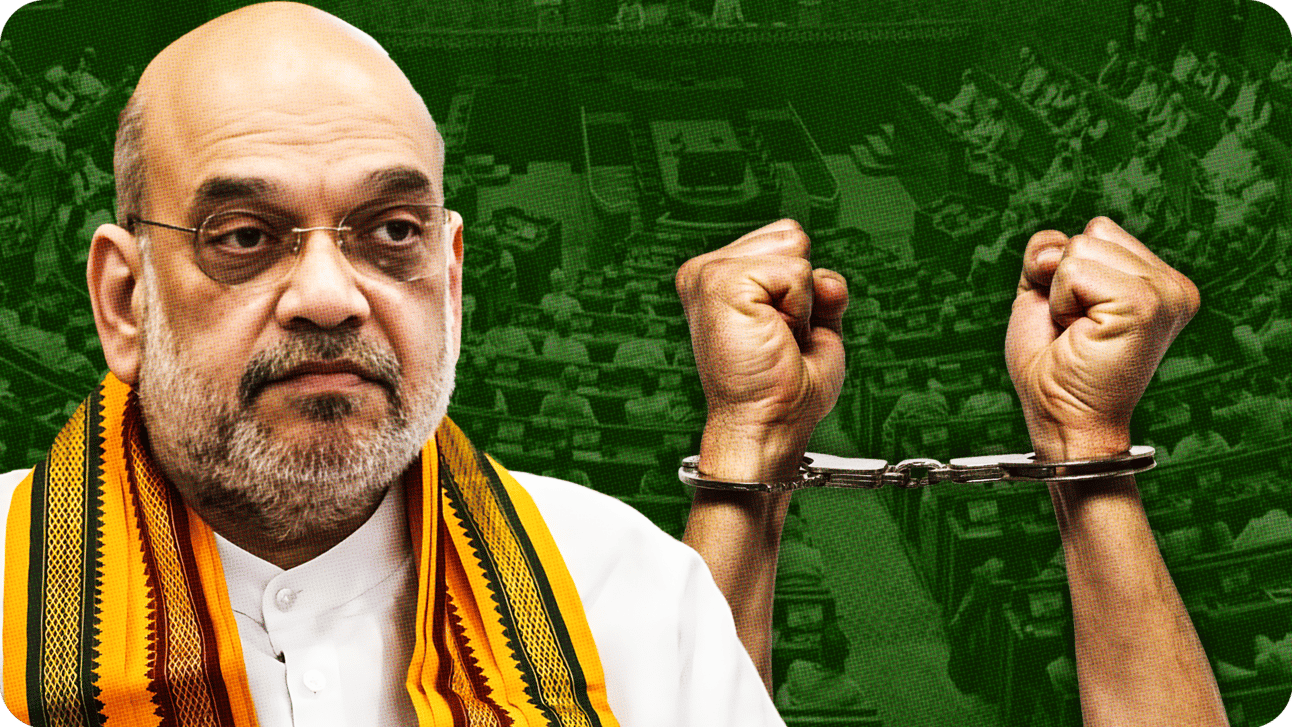
On August 11, Home Minister Amit Shah introduced three new bills in Lok Sabha. These bills propose to replace the criminal laws, including the harsh sedition laws that originated during the British colonial era and were still used in India.
Why does it matter?
More than 160 years ago, Thomas Babington Macaulay laid down the Indian Penal Code. It has since been guiding Indian criminal law. It outlines what behaviours are considered crimes and the associated punishments. The new bills introduced in the parliament will reform the country’s judicial system significantly, especially its dealing with offences of terrorism, crimes against women, and acts that are against the State. However, they have also sparked a debate on the BJP-led government’s intentions to bring these reforms.
What are the arguments from both sides?
Side 1: They should be implemented:
Colonial legacy: While introducing the bills in the Lok Sabha, Amit Shah argued that the existing criminal laws were laid down by the British to favour their colonial interests. They sought to protect the British and not the people of India. The new bills will help India shed the ‘colonial hangover’.
People-centric: The bills seek to reform the existing laws that were designed to instil fear in people’s minds towards the State. The reforms will focus more on providing justice to the people rather than punishing them. Punishment will be used to create a sentiment that prevents people from committing crimes.
Modern times: The outdated laws aren’t fit for practice in modern times. The nature of crime, the psychology of criminals and technology have changed drastically. Therefore, the existing laws need to be reformed to accommodate the changes and make criminal justice at par with the present.
Side 2: They should NOT be implemented:
Sedition 2.0: Experts argue that the new bills seek to strengthen the Sedition law rather than repeal it by creating vague provisions. The new bills replace the word ‘sedition’ with ‘subversive activities’ but offer no definition of what this actually means. Such vague provisions will increase the risk of unreasonable arrests.
Greater power to police: The proposed bills also offer more power to the police. Under the existing law, police could hold an arrested person in custody for a maximum of 15 days. But that has been extended to 60-90 days. Under such a provision, the new laws fail to be ‘people-centric’.
Existing problems: Larger parts of the bills simply reproduce existing provisions of the laws. This means they don’t solve the existing problem in the criminal justice system. For instance, there are no new provisions for solving the large numbers of undertrials (i.e. people who’re being held in custody and awaiting a trial). Another huge problem is police torture and the submission of torture-based confessions by using loopholes in the laws. If the Centre wants to introduce ‘people-centric’ laws, it must first create provisions to address these problems.
(To learn more about the changes proposed in the new bills, check out this article).
What’s next?
The bills are currently referred to the concerned committee in the parliament. With the committee’s approval, they will be brought into the Lok Sabha for debate and discussion during the next session of the parliament.
All-weather highways erode in Himachal
What happened?
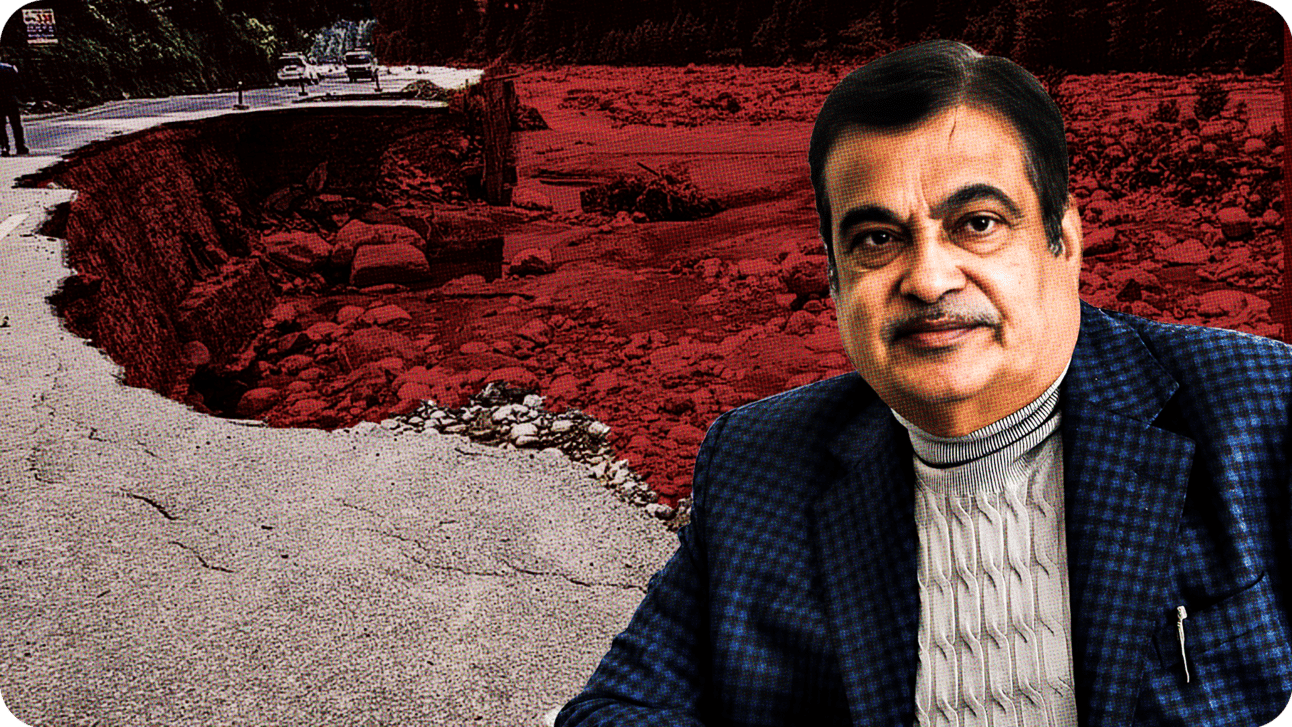
Since last month, Himachal Pradesh has been ravaged by floods and landslides (read our previous coverage on the topic here). This has resulted in the death of over 130 people and the displacement of thousands. Moreover, several roads built by the National Highways Authority of India (NHAI) in the state have been washed away. Multiple routes remain blocked due to falling debris and have turned into ‘risk zones’.
Why does it matter?
In 2017, PM Modi announced an All-Weather Roads Project. This project aimed to construct roads that allowed travelling in all weather conditions. These roads are designed to withstand flooding, landslides, and erosion. However, several roads built under this project in Himachal Pradesh were damaged in the past two months, casting doubts on construction quality and scientific planning.
Why are the roads eroding?
Natural disasters
Nitin Gadkari, the Union Minister of Road Transport and Highways, said that the reason behind the damage is ‘aggravated flooding.’ The stone and gravel in the region are fragile. They instantly break and flow into the adjacent rivers during heavy rains, making the floods more severe in the Himachal region.
Unscientific construction
Experts claim that the damaged roads were a consequence of unscientific construction and not natural disasters. These roads are built on mountainous terrains. NHAI has adopted the method of ‘cutting and filling’ the mountains to construct the highways rapidly, forgoing the need for a detailed study of the concerned regions by scientists. This leads to poorly constructed roads prone to damage from landslides and floods.
Poor training
The workers working on one of these all-weather highways claimed that they had never received training for road construction work. Instead, they learn the work gradually on the site. This shows negligence on the part of the NHAI. It neither hired properly trained workers nor consulted scientists and experts to lay down a detailed plan for construction.
What’s next?
The weather department has predicted that several districts of Himachal Pradesh are likely to receive extremely heavy rainfall in the next few days. The concerned police stations continue to update the status of the roadblocks. It’s likely that most blockages will not ease until next week.
Dose of Positivity
The Golden Dream

Last week, Iran’s Women’s Kabaddi team held training camps in Mumbai and Pune. It trained with the local teams to prepare for the upcoming Asian Games.
Shailaja Jain, a Nasik-based coach, has been training the team for the past seven years. When she was appointed the position of head coach, she immediately set to put the house in order. She rebuilt the team and fixed its weak points. During her stay in Iran, Jain even picked up Farsi and began communicating with the athletes in that language to build a stronger rapport. All her efforts paid off when under her guidance, the Iranian team won a gold medal in the 2018 Asian Games.
Jain and the team are now aiming to repeat the feat at the upcoming Hangzhou Asian Games. But the team’s morale was severely hit during the pandemic. The COVID-19 outbreak caused a huge disturbance in their practice back home in Iran. Moreover, many of their scheduled matches got cancelled. This meant that the team didn’t get any exposure after its win in 2018.
While most of the other teams are busy giving ‘final touches’ to their preparation for the upcoming Hangzhou Asian Games, the women from Iran had been desperately looking to get some match simulations. Their Mumbai trip came in as a great help to them. Here they played nearly a dozen practice matches against the local team, gaining much-needed exposure.
“We have always looked up to India as a kabaddi nation and it’s fantastic to be here. Our team has been facing intense competition from various teams and the players are getting to learn a lot on this tour,” said the manager of Iran’s Women’s Kabaddi team.
NOTEWORTHY 📑
How women in Punjab turned to embroidery to document the human cost of Partition.
What can the Uniform Civil Code (UCC) learn from Bengali reformer Vidhyasagar’s ideas?
This woman from Meghalaya is reviving turmeric farming as an alternative to illegal coal mining.
Scientists discover fossils of a plant-eating dinosaur in Rajasthan’s Jaisalmer.
Can cells think?
SHARE THIS VICHAAR 🙌

If you enjoyed reading my newsletter, please consider sharing it with your loved ones.
Was this forwarded to you? Sign up here.
If you want to give us feedback, Click here.
Read our previous newsletters here
Reply