- Soch Vichaar
- Posts
- Tunnel tragedy in Uttarakhand
Tunnel tragedy in Uttarakhand

Mohak Mangal
November 14th, 2023
What happened?
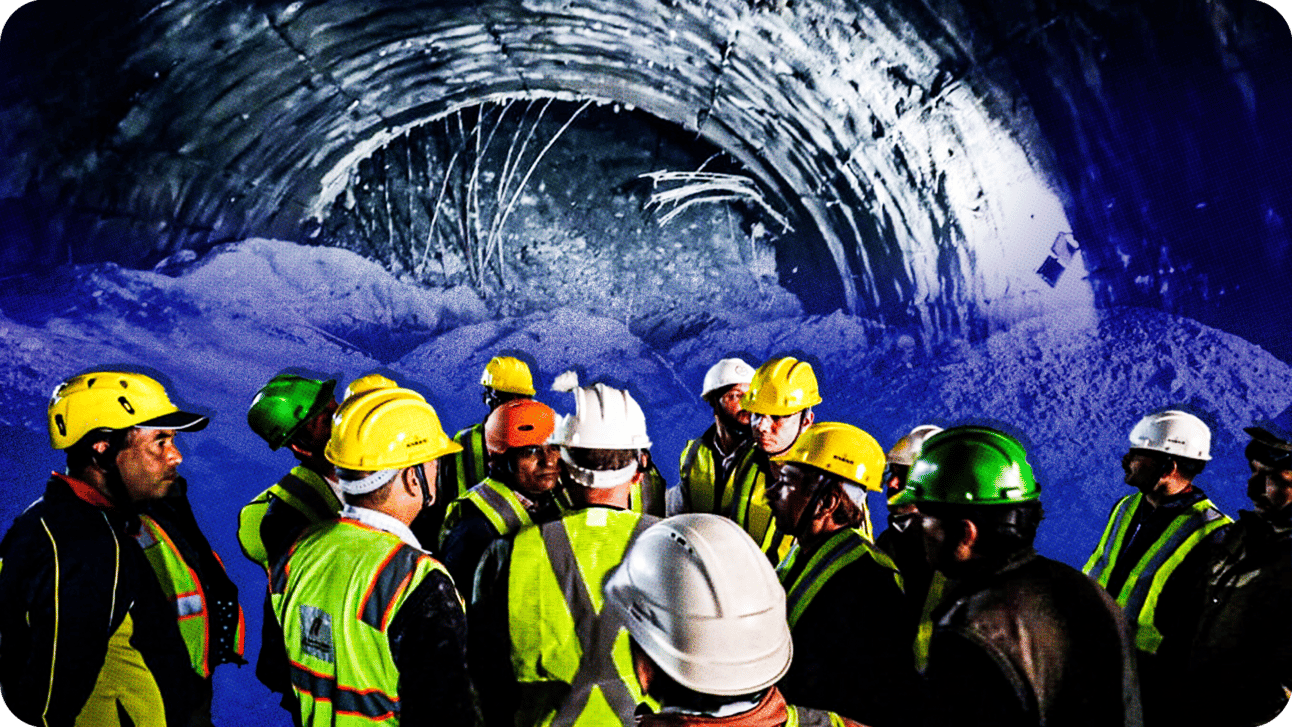
The Silkyara tunnel in Uttarakhand recently collapsed, trapping nearly 40 construction workers. Oxygen, food, and water are being supplied to these workers, who've been stuck for over two days, through a pipe.
This double-lane tunnel is part of the Char Dham all-weather road project, which aims to link two Hindu shrines- Uttarkashi and Yamunotri. However, the collapse has prompted scientists and environmentalists to raise questions about geological understanding, non-compliance with regulations and the use of explosives for tunnelling.
Why does it matter?
Geology: The Himalayas are ecologically sensitive and are still taking shape. They are dynamically active with ongoing processes like erosion from heavy rainfall, snow, and movements in the Earth's plates. Ecologists warn that Himalayan threats extend beyond what meets the eye!
The Western Himalayas with fractured rocks are especially vulnerable, and deforestation further worsens the risk. A study found that over half of Uttarakhand, especially Uttarkashi is highly prone to landslides. A Supreme Court (SC) appointed expert panel also highlighted concerns, calling for a rethink of tunnel projects in the Himalayan states.
Infrastructure development: Uttarakhand has a history of accidents due to infrastructure projects. A 2022 study recorded frequent road-blocking landslides on every kilometre along NH-7.
This year, hundreds of people were displaced and forced into relief camps by a land sinking event in Joshimath because of unchecked construction. Many geologists blamed the Tapovan-Vishnugad hydroelectric power project for this disaster.
Even in 2021, a glacial overflow claimed over 200 lives and damaged two hydroelectric projects in Raini, Uttarakhand.
Tourism: Uttarakhand government's decision to remove the daily limit on pilgrims and tourists is worrying. In 2019, a report by environmentalist Ravi Chopra called the Char Dham project (that connects Badrinath, Kedarnath, Gangotri, and Yamunotri) an "assault on the Himalayas."
Defence: Building major roads and tunnels for better access to the Chinese border is becoming a concern. Both India and China have constructed airstrips, tunnels, and railway tracks, threatening the mountain range's balance. In 2020, after the Galwan Valley clash, satellite images revealed rapid construction around Pangong Lake by China's People's Liberation Army.
Global warming: As temperatures rise, glaciers and permafrost (frozen land) are melting, causing more earthquakes, landslides, and areas to sink. A journal published that by 2050, about 38% of roads, railways, power lines, and 21% of buildings would be at risk in high-hazard areas.
The Himalayan rivers are also behaving unpredictably due to extreme rainfall and human activities like construction and debris dumping.
What's next?
The Uttarakhand government has set up an expert committee to investigate the reasons behind the collapse.
Development projects like roads and ropeways must be carefully planned using scientific and geological evaluations. This becomes evident as the SC approved wider roads for the Char Dham project because the government argued it was vital for national security. While it is a valid point, the current risk posed by the deteriorating hills around the roads could make the entire project ineffective.
Un-charted
India’s battle against Tuberculosis (TB)
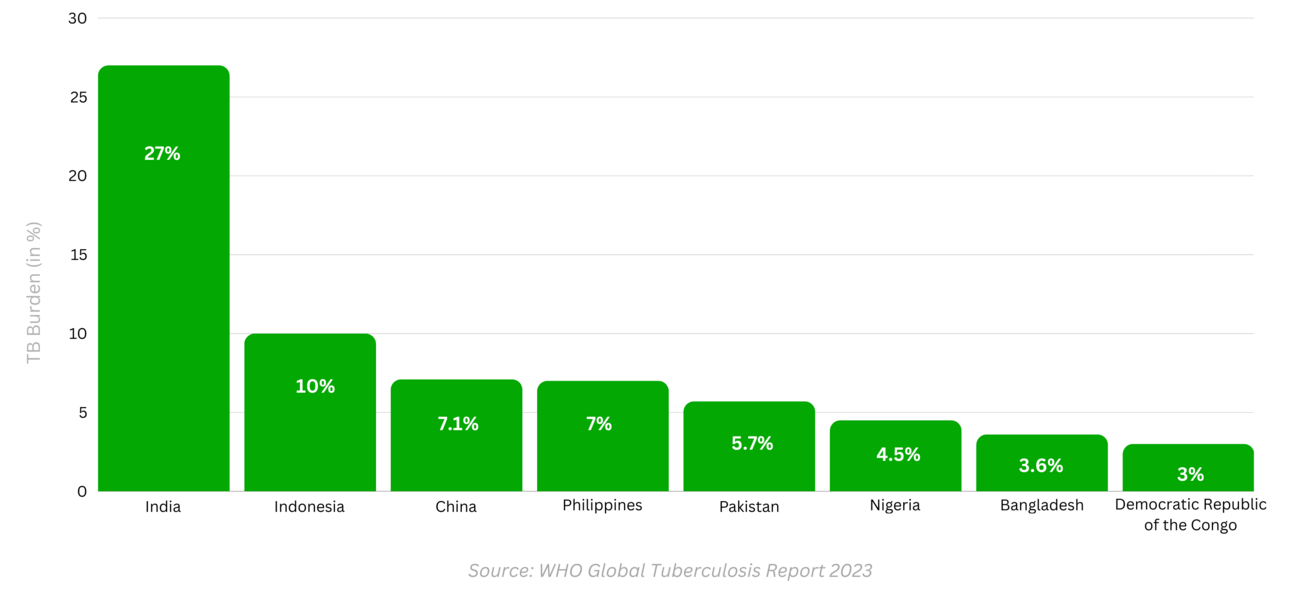
This chart from the World Health Organization (WHO) Global TB Report, 2023, shows that India had 27% of all TB cases worldwide in 2022. That's around 28 lakh new cases, with one person diagnosed every 11 seconds! The report also reveals that eight countries account for two-thirds of all the registered cases. And TB remained the second leading cause of death globally from a single infectious agent, after COVID-19.
TB is caused by a bacterial infection that spreads through the air when an infected person coughs. It usually affects the lungs but can also harm other parts like the kidneys or brain. Factors contributing to TB vulnerability include a weak immune system, malnutrition, HIV, diabetes and smoking. Nevertheless, the WHO report indicates a global improvement in TB diagnosis and treatment services in 2022.
India's Health Ministry reported a 16% reduction in TB prevalence and an 18% decline in TB deaths since 2015, owing to intensified testing and screening. Moreover, initiatives like the Pradhan Mantri TB Mukt Bharat Abhiyan aim to offer TB patients nutritional, diagnostic and vocational support. There is also a vaccine against TB called BCG (Bacille Calmette-Guerin).
Early diagnosis is crucial as proper treatment enables an 85% recovery rate. While there is hope in newer drugs like Bedaquiline and Delamanid, achieving the 2025 goal of eliminating TB in India remains a challenge.
Bonus Section
How to avoid confirmation bias?
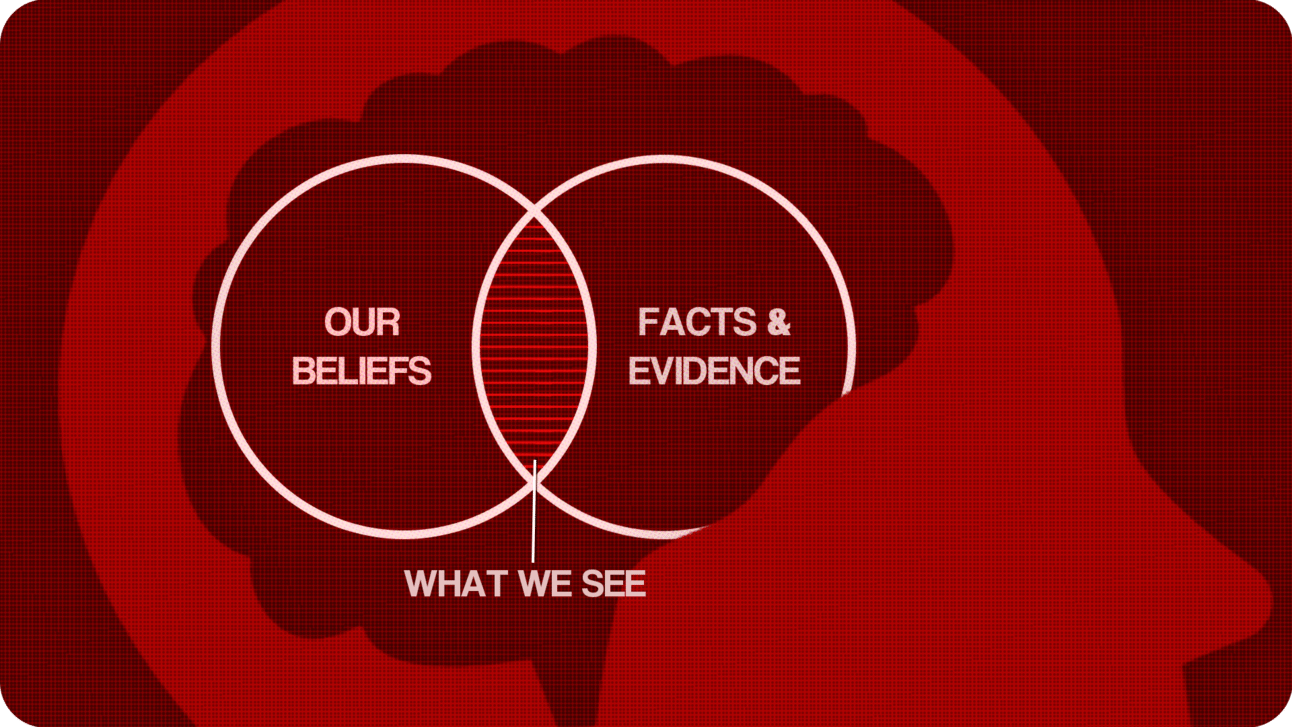
Ever wonder why you only stick to information that supports your worldview? That's confirmation bias at play. It's like having a favourite team and only acknowledging their wins while ignoring the losses.
"What the human being is best at doing is interpreting all new information so that their prior conclusions remain intact."
— Warren Buffett
Recognizing confirmation bias isn't easy, but it's essential. Follow these steps to overcome it:
Reflect on your thoughts: What did I quickly agree with? How did I respond to points I disagreed with? What if I considered the opposite viewpoint?
Ask neutral questions: Try framing unbiased questions. For instance, instead of asking in surveys if a product idea is good, opt for "What features matter most to you?"
Challenge perspectives by being the devil's advocate: Let's say your team is deciding on a new project management tool for better efficiency. Nominate a member as the devil's advocate to explore potential drawbacks, like the learning curve or transition disruptions, costs, etc. This sparks a well-rounded discussion, reducing the impact of confirmation bias while assessing change.
Think of these measures as giving your brain a reality check. Don't just cheer for your favourite team; understand the whole game!
NOTEWORTHY 📑
Meet Mika the world's first robot CEO
Why are tribal farmers in Odisha caught in the Maize debt trap?
South Africa introduces shared parental leave after landmark judgment
The race to mine the bottom of the ocean
Song on millets featuring PM Modi nominated for Grammy
SHARE THIS VICHAAR 🙌

If you enjoyed reading my newsletter, please consider sharing it with your loved ones.
Was this forwarded to you? Sign up here.
If you want to give us feedback, Click here.
Read our previous newsletters here
Reply